Private Schools in Ghana Expanding Access, Creating Opportunities, and Strengthening the Education System

PRIVATE SCHOOLS IN GHANA
Expanding Access, Creating Opportunities, and Strengthening the Education System
In August 2024, the Ghana National Association of Private Schools (GNAPS) in collaboration with IDP Foundation, Inc, commissioned a nationwide baseline survey to examine the true state of private pre-tertiary education in Ghana. Covering 1,063 schools across all sixteen regions of the country, the study provides one of the most comprehensive pictures of the private education sector in recent years. The findings present both a sobering reality and an inspiring narrative about the role of private schools in expanding access to education. More than simply presenting data, the report provides evidence that encourages policymakers and stakeholders to reconsider how Ghana’s private education sector is perceived and supported.
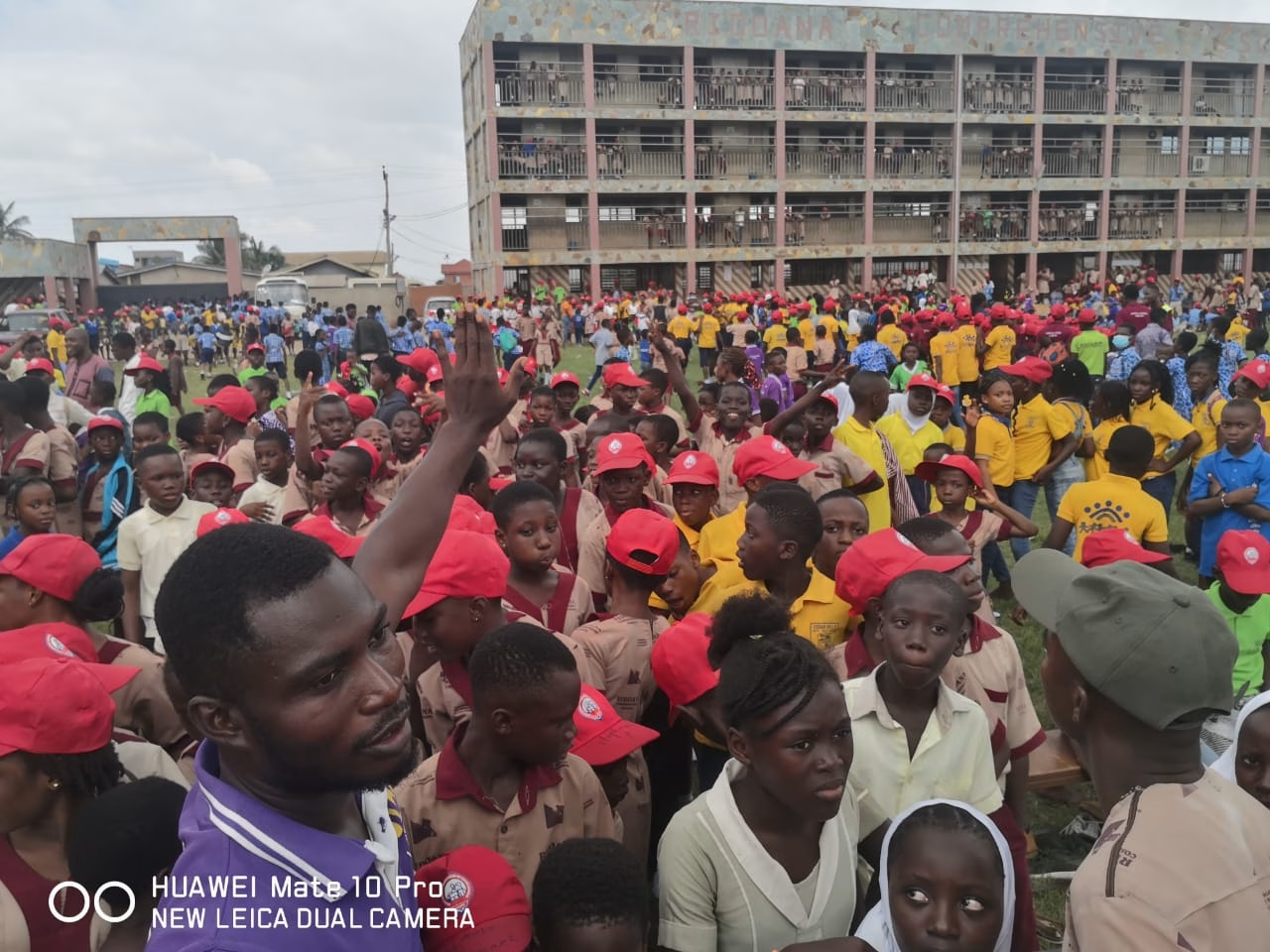
The findings show that private schools in Ghana are deeply rooted in the communities they serve. Contrary to the common perception that private schools mainly cater to elite populations in urban areas, the study reveals a different reality. A significant majority of these institutions are owned by individuals and families, with many operating in rural and non-urban communities. Most of the schools serve families from both the formal and informal sectors and are concentrated at the basic education level, from preschool to junior high school. These characteristics demonstrate that private schools are largely community-based institutions that are locally established, locally managed, and primarily financed through community efforts. As such, they play a significant role in supporting Ghana’s pre-tertiary education system.
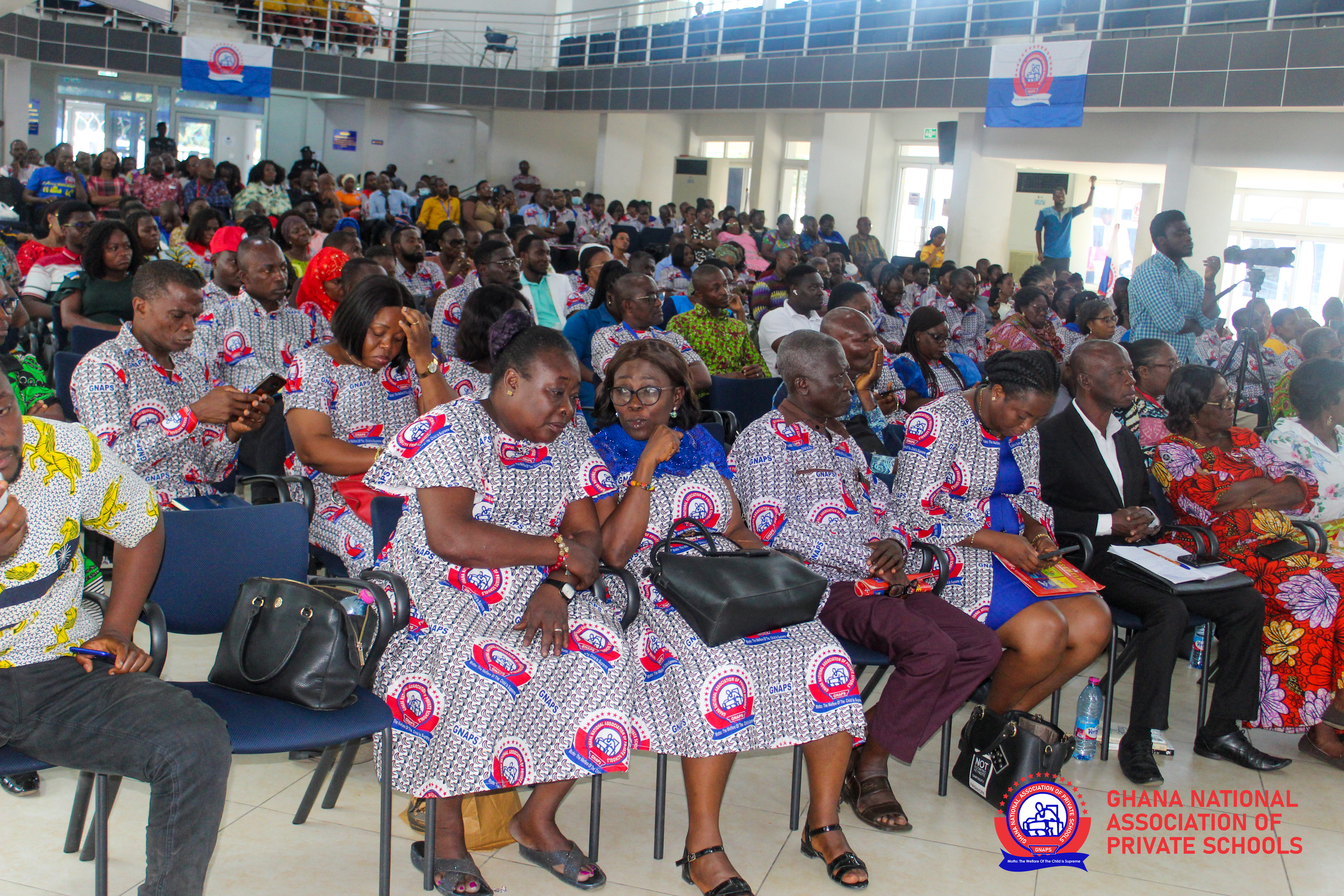
The research further highlights the important contribution of private schools to employment and quality education. The sector has become a major source of employment for teachers across the country, with schools employing an average of 31 teachers each. Many of these teachers hold temporary or full professional licenses, indicating that the sector is not devoid of trained personnel. In addition, almost all schools organize in-service training for their staff, demonstrating a commitment to continuous professional development and improved teaching standards. The majority of school proprietors also possess tertiary-level qualifications, suggesting that leadership within the sector is supported by formal education and managerial capacity. These findings reveal a sector that is actively investing in human capital despite receiving limited external support.
Despite these strengths, the study also uncovers the financial challenges that many private schools face. Most of these institutions depend almost entirely on school fees for their operations. However, delays in fee payments from parents and guardians present significant internal challenges for school management. As a result, many schools report that they either break even or operate at a loss. Infrastructure deficits are another major concern, with nearly half of the schools indicating that they lack adequate facilities. In many cases, classrooms, staff rooms, information and communication technology laboratories, and sanitation facilities remain incomplete or insufficient. Particularly troubling is the finding that some schools lack adequate water, sanitation, and hygiene facilities, which are essential for maintaining the health and dignity of students. These conditions show that while private schools continue to provide essential services, they often do so under significant financial pressure.
The regulatory environment also presents challenges for many operators within the sector. School proprietors identified high compliance costs and complex regulatory requirements as major external constraints. Although regulation is necessary to maintain standards in education, the findings suggest that there may be a disconnect between policy expectations and the operational realities faced by low-fee private schools, especially those operating in rural communities. A considerable number of respondents described the regulatory environment as unfavorable, pointing to the need for more constructive engagement between policymakers and private school operators to ensure that regulations support rather than hinder educational delivery.
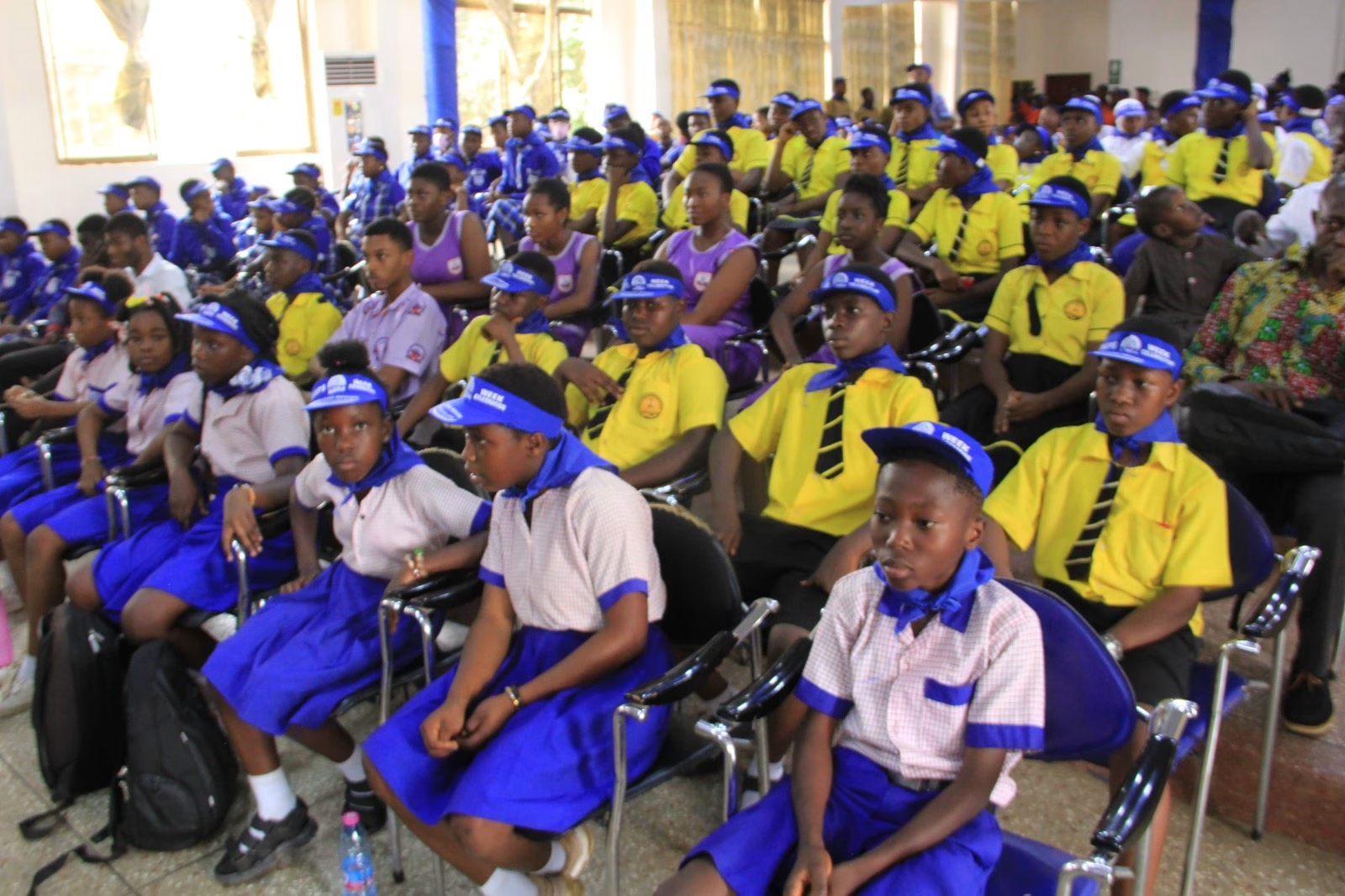
At the same time, the research indicates that demand for private education remains strong. Enrollment levels at early childhood and primary education continue to grow steadily, reflecting the trust that families place in private institutions. However, many schools report that they are unable to accommodate all prospective students due to limited infrastructure and space constraints. This suggests that the challenge facing the sector is not a lack of relevance or demand, but rather limited capacity. Where infrastructure gaps exist, there is also an opportunity to develop innovative financing models, encourage long-term investments, and promote structured partnerships between the public and private sectors to expand educational infrastructure.
Another important insight from the study relates to governance and institutional sustainability. Many private schools currently operate without formal school boards or structured governance systems. Strengthening governance frameworks within schools could play a critical role in ensuring long-term sustainability, institutional continuity, and improved management practices. For GNAPS, this presents an opportunity to lead sector-wide efforts aimed at strengthening governance structures and supporting schools to transition from small family-run establishments into more resilient and professionally managed educational institutions.
The broader significance of the findings lies in the role that private schools play in national development. As Ghana works toward achieving inclusive and equitable quality education in line with Sustainable Development Goal 4, the contribution of private schools cannot be overlooked. These institutions expand access to education in underserved communities, create employment opportunities for teaching and non-teaching staff, provide alternatives where public school infrastructure is insufficient, and contribute to improvements in literacy and numeracy outcomes. Rather than being seen as competitors to public schools, private schools should be recognized as important partners in Ghana’s education ecosystem.
For GNAPS and stakeholders, the baseline survey offers valuable insights that can guide future actions. The data provides a strong foundation for evidence-based advocacy, supports strategic engagement with policymakers, and highlights areas where targeted interventions can support member schools. It also offers useful information for development partners, investors, and financial institutions seeking to understand the dynamics of the private education sector. Ultimately, the findings call for a shift in perspective; from viewing private schools as peripheral actors to recognizing them as central contributors to Ghana’s education system. With supportive policies, innovative financing solutions, improved regulatory coordination, and stronger governance structures, the private education sector has the potential to become an even more powerful driver of inclusive education in the country.
Download the Full Research: Baseline Survey on the Status, challenges, and Opportunities Facing Private Schools in Ghana.